 AI-powered, Human-reviewed.


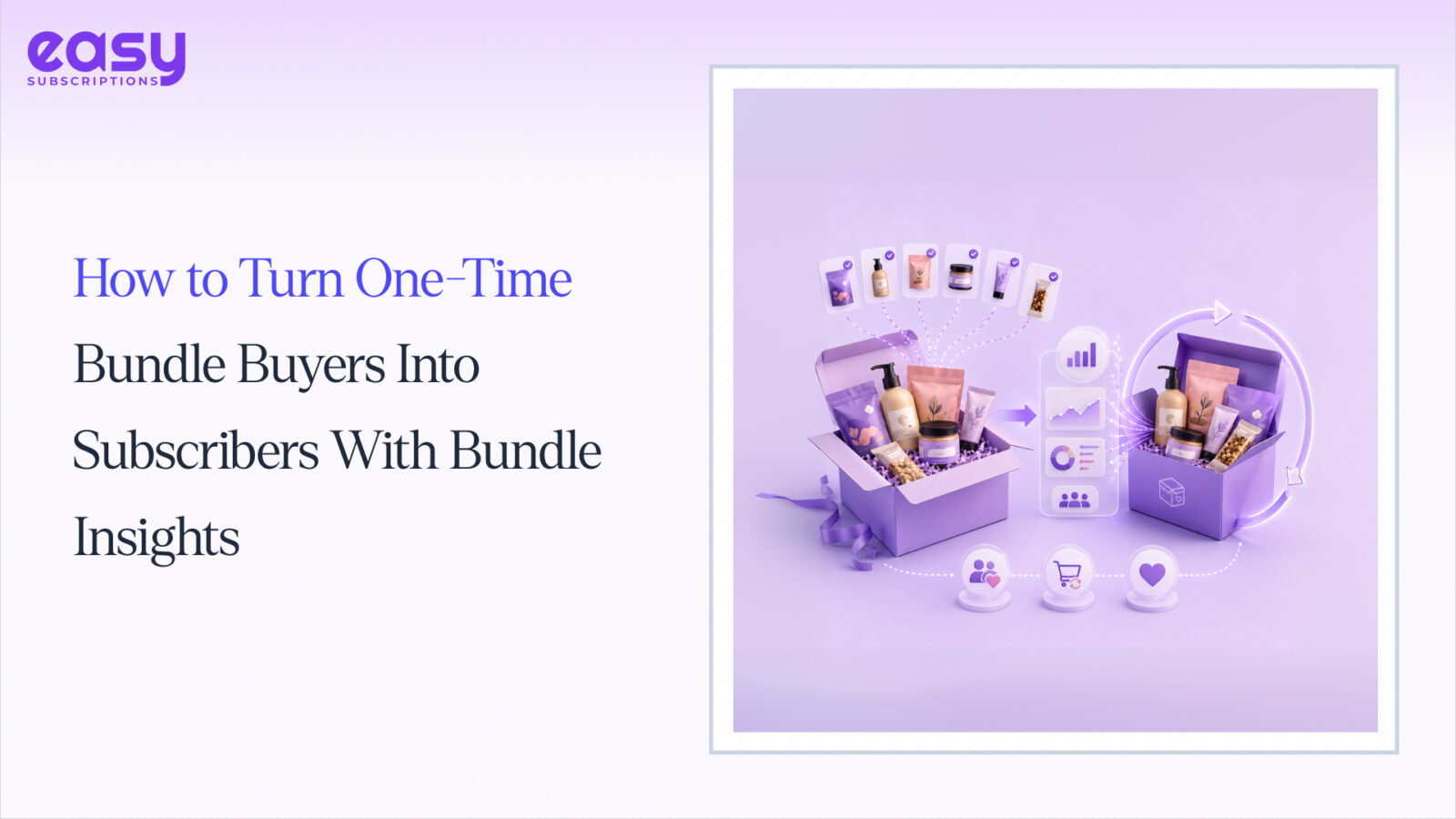


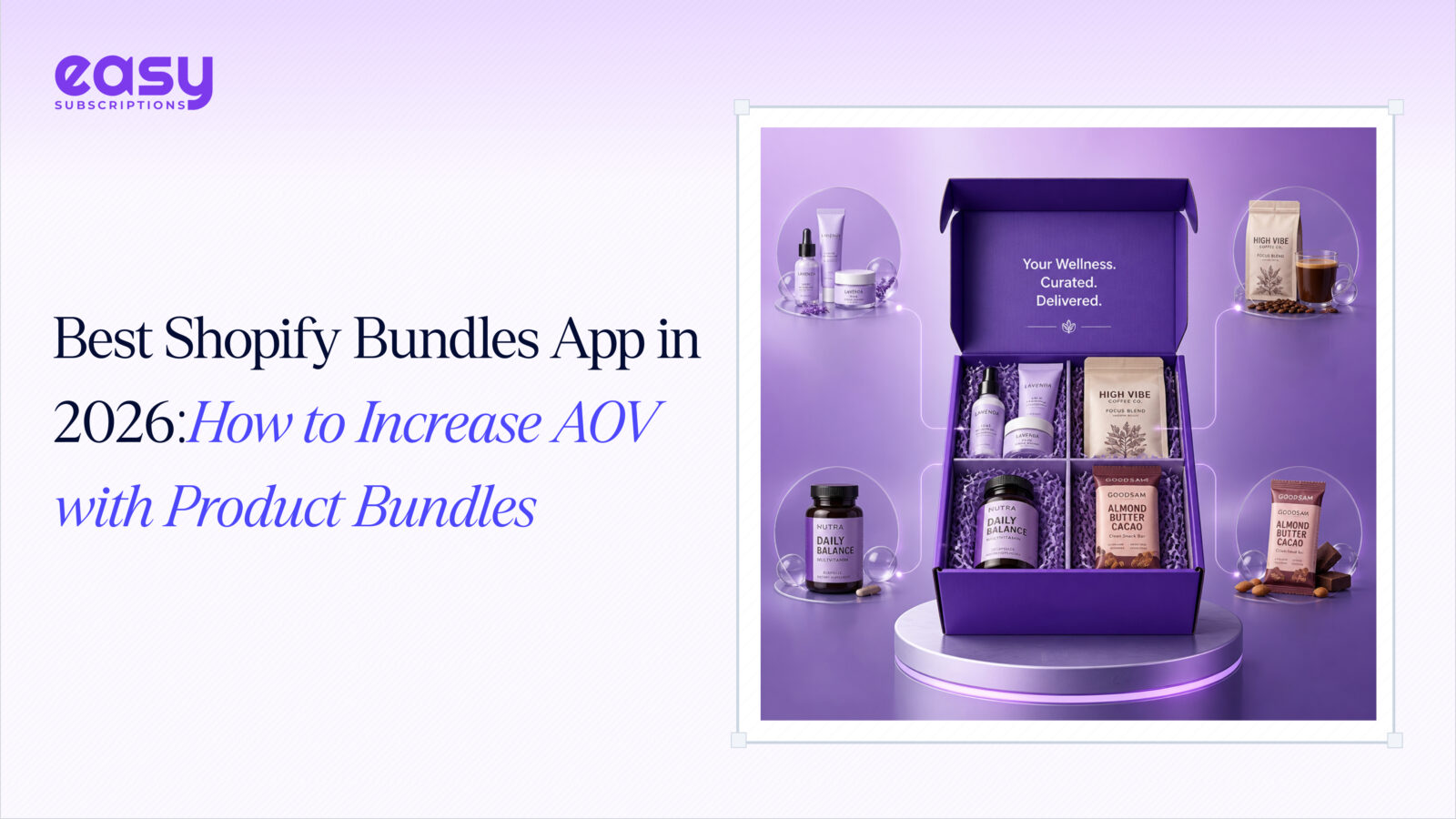
A customer who buys a single product once is a one-time buyer. A customer who builds their own bundle, picks three flavors, or assembles a starter kit is something different. They have already made more decisions than a typical first-time shopper, and those decisions are worth paying attention to.
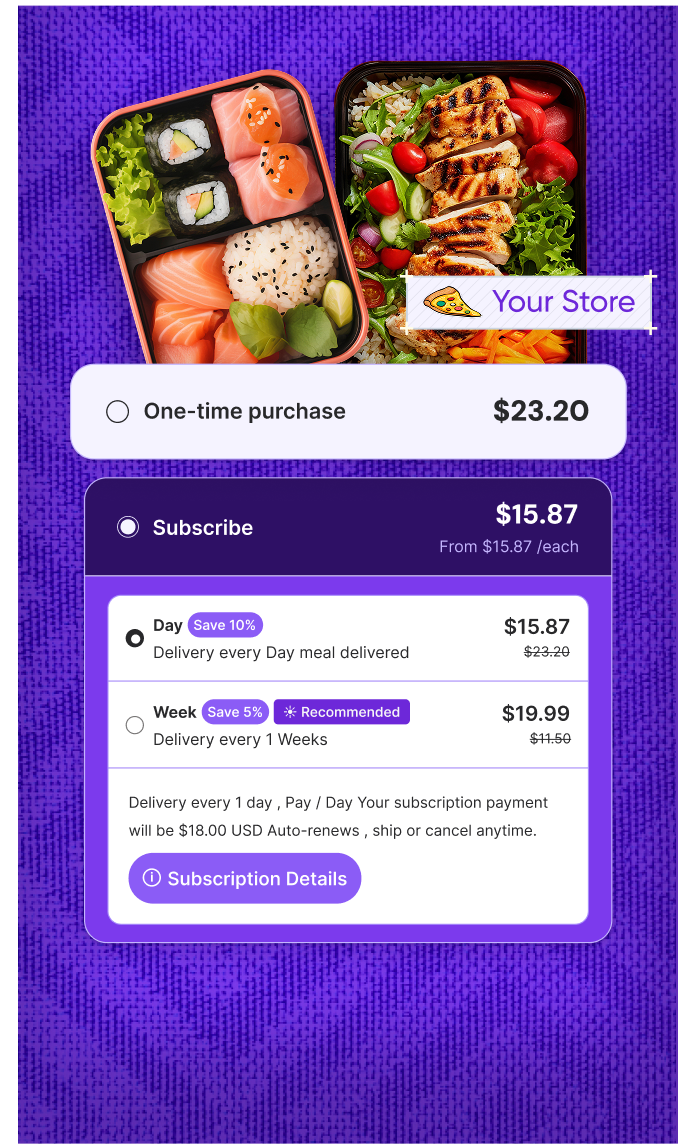
This is the real opportunity. A one-time purchase is one of the easiest ways to turn one-time bundle buyers into subscribers, because the bundle itself reveals what a customer actually wants before you ever ask them to commit to a recurring charge. Instead of guessing what belongs in a subscription box, you let the customer build it for you first.
This guide walks through a subscription conversion strategy: which bundle formats lead naturally into a subscription offer, how to read bundle behavior as a signal, and when to make the subscription ask so it doesn’t feel premature.
Why a Bundle Buyer Is a Warmer Lead Than a Regular One-Time Buyer
A regular one-time buyer adds one product to their cart and checks out. That’s useful information, but it’s thin. You know they wanted that one thing, and that’s about it.
A bundle buyer tells you more. They were willing to consider multiple products in a single purchase, which means they were open to discovery rather than locked onto one item. They may already understand the value of a box, a kit, or a routine, since bundles are usually framed around a use case rather than a single SKU. And because a bundle buyer often picks their own combination, you get direct data on which products pair well together, without running a single A/B test.
None of this guarantees they’ll subscribe. But it puts them several steps ahead of a customer who bought one item and disappeared. If you already run subscriptions on Shopify, the smarter question isn’t whether you can sell bundles alongside them. Shopify lets you add a subscription as a purchase option so customers can pay an agreed price on a recurring schedule.
If you already use a subscription app like Easy Subscriptions, you may already have the tools to offer subscription boxes, mix-and-match bundles, and recurring billing. The harder part is deciding which one-time bundle deserves to become a subscription in the first place.
Start With the Right One-Time Bundle Format
Not all bundles turn one-time bundle buyers into subscribers the same way. Some formats are built for discovery, some for convenience, and some for urgency. Knowing which type you’re running changes how you read the data afterward.
1. Sampler Bundle
Best for food, skincare, supplements, candles, tea, coffee, and pet treats.
A sampler bundle lets customers try several products before committing to one. For subscription purposes, it helps you see which products get reordered, reviewed, or added again later.
Conversion move: Follow up after purchase and ask the customer to subscribe to their favorite item or build a recurring box around their top picks.
2. Mix-and-Match Bundle
Best for snacks, drinks, beauty products, wellness products, stationery, and pet products.
This format shows you what customers actively choose when they’re given options, which is far more reliable than guessing what should go into a subscription box.

Conversion move: Once you see a customer’s selected mix, pitch it back to them directly. Subscribe to this exact box every month and save.
For merchants who are still validating demand before building a full subscription system, a bundle-first app like PushBundle can help here. It’s built specifically for mix-and-match and build-a-box offers, letting customers choose their own combinations before you decide which ones are worth turning into a recurring product.
3. Routine Bundle
Best for skincare routines, haircare, supplements, fitness products, baby care, and pet care.
This bundle groups products around a repeated use case, like a morning skincare routine, a monthly vitamin stack, a pet grooming kit, or a baby care refill kit.
Conversion move: Frame the subscription around convenience. Get your full routine delivered every 30 days instead of reordering five separate items.
4. Replenishment Bundle
Best for products customers use up on a predictable cycle, like coffee, protein powder, diapers, pet food, supplements, and cleaning products.
Once you identify how long a bundle typically lasts, you can suggest a subscription interval that matches customers’ consumption patterns.
Conversion move: If most customers reorder a bundle every four weeks, that’s the exact subscription pitch. Subscribe monthly and never run out.
5.Starter Kit Bundle
Best for new customers who need guidance before deciding what they actually want, like a first-time skincare kit, a beginner coffee kit, a new puppy kit, or a new parent essentials kit.
The mistake here is asking for a subscription too soon. Sell the starter kit first.
Conversion move: Once the customer knows what they like, offer a replenishment subscription built around their actual usage, not a guess.
6. Seasonal or Limited-Time Bundle
Best for gift boxes, holiday boxes, seasonal flavors, and limited collections.
These create urgency, but they also reveal which products deserve to become a permanent offer.
Conversion move: After the campaign ends, look at which seasonal combinations sold best and consider turning them into a recurring monthly or quarterly box.
7. Quantity or Value Bundle
Best for products customers already buy repeatedly, like buy-3-and-save packs, build-a-6-pack offers, or monthly stock-up boxes.
If a customer buys the same quantity bundle more than once, they’re showing you they’re ready for automation.
Conversion move: Make the pitch direct. You’ve bought this twice, want it delivered automatically every month?
Use Bundle Behavior to Decide What Should Become a Subscription
This is where the strategy gets sharper than just listing bundle types.
Once bundles are live, pay attention to a few specific signals:
- Which combinations sell most often,
- Which products get repeatedly selected together,
- Which bundle sizes convert best,
- Which products get reordered after the first bundle purchase,
- Which customer segments are buying bundles at all, and
- Which bundle size increases average order value without cutting into margin.
The best subscription box isn’t necessarily the one you assumed customers would want. It’s the one they’ve already proven they want to buy again. That distinction matters, and it’s the core of a solid build-a-box bundle strategy, because subscription churn is often the result of merchants guessing at a box instead of building it from actual purchase behavior.
Match Each Bundle Type to the Right Subscription Offer
| One-Time Bundle Type | What It Reveals | Subscription Offer to Create |
| Sampler bundle | Which products customers like first | Subscribe to favorites |
| Mix-and-match bundle | Which combinations customers choose | Subscribe to your custom box |
| Routine bundle | Which products are used together | Monthly routine subscription |
| Replenishment bundle | Reorder timing | Auto-delivery subscription |
| Starter kit | New customer intent | Starter kit plus refill subscription |
| Seasonal bundle | Limited-time demand | Monthly or quarterly box |
| Quantity bundle | Repeat purchase habit | Subscribe and save |
Don’t Push the Subscription Too Early
Not every buyer is ready to subscribe right after checkout. And treating all of them the same way is a fast way to lose the sale entirely. The conversion path should depend on what the customer has actually shown you, not on a fixed timeline.
A reasonable sequence looks like this:
- The first purchase is a one-time bundle.
- A post-purchase email asks what they liked.
- A second email recommends a repeat box based on their answer or their actual order.
- A third email offers a subscribe-and-save version of that same box.
- And once they’re in, a customer portal lets them skip, swap, pause, or cancel without contacting support.
Shopify recognizes two common selling plan types for this stage:
- “subscribe and save,” where a customer pays per delivery, and
- “prepaid,” where they pay once upfront.
Once a bundle has shown repeat potential, a subscription app can handle this side of things directly, including billing intervals, prepaid options, subscription boxes, customer portal controls, and recovering failed payments through automated retries.
A Simple Bundle-First Subscription Workflow
Step 1: Launch a one-time bundle. Pick one format to start: sampler, mix-and-match, routine, replenishment, starter kit, or seasonal box. Don’t try to run all of them at once.
Step 2: Track what customers actually choose. Look for patterns that repeat, not just total sales. A bundle that sells well once tells you less than a combination that keeps getting picked.
Step 3: Create a subscription version of the winning bundle. Turn the proven combination into a monthly box, a subscribe-and-save offer, a replenishment plan, or a prepaid subscription.
Step 4: Follow up with one-time buyers directly. A simple message works: want this box delivered monthly, or your last bundle is now available as a subscription.
Step 5: Reduce the risk of subscribing. Letting customers pause, skip, swap, or cancel on their own matters more than most merchants expect. Customers are more willing to commit to a subscription when they know they’re not locked in.
The Bottom Line
A bundle-first approach works best when you treat the one-time purchase as a research step, not a missed subscription opportunity. Build-a-box and mix-and-match bundles are good for revealing what customers actually want before you build a box around a guess. Subscription tools are good for turning that proven demand into predictable, recurring revenue once the data backs it up. Used in the right order, bundles are one of the most reliable ways to turn one-time bundle buyers into subscribers, because the subscription offer is built on what the customer already proved they want.